
What Really Shapes A Healthy Culture?
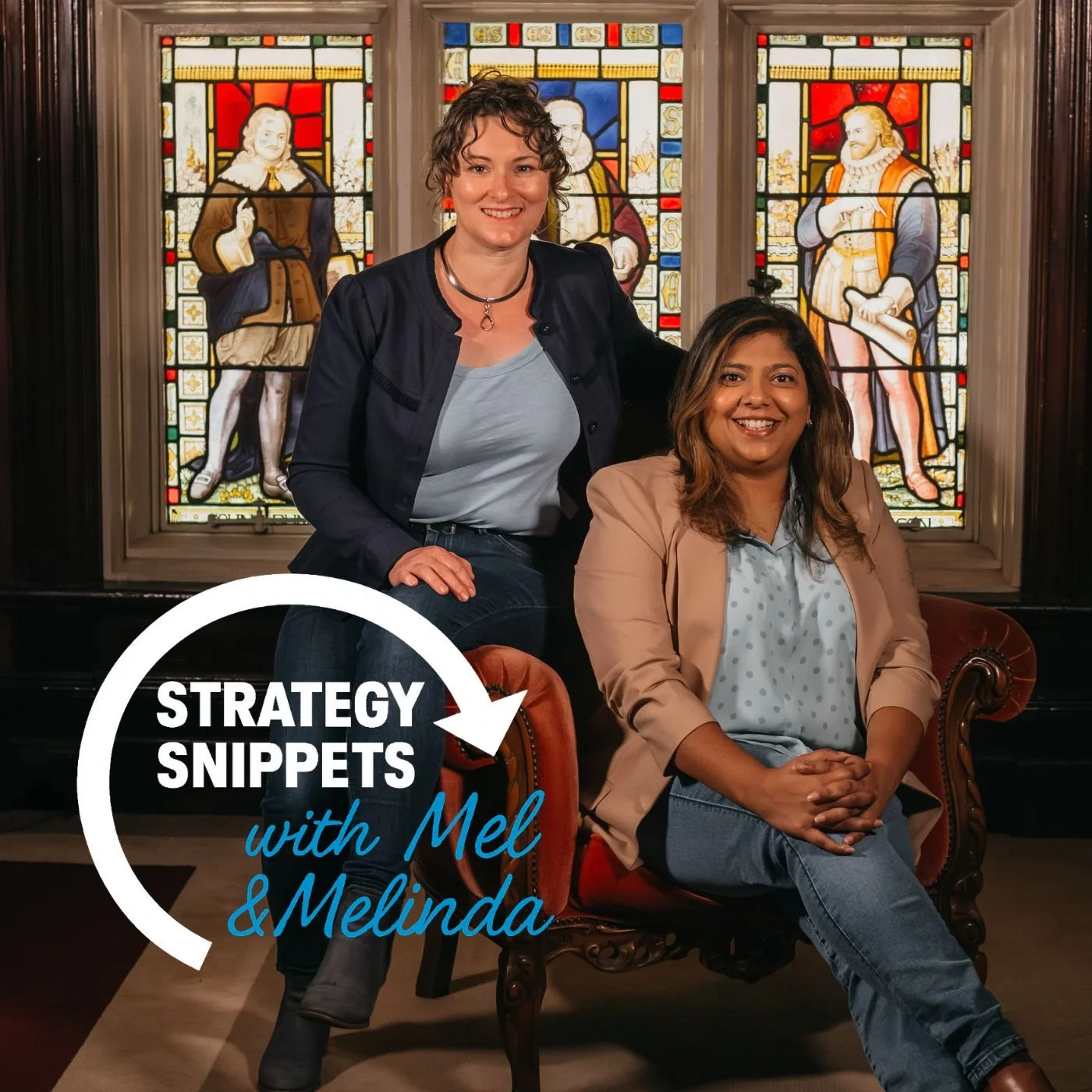
Strategy Snippets · Season 1 · Episode 9
[00:15] Culture Is Built Through Habits
There are many challenges to culture, but one of the biggest is understanding where culture actually comes from.
Culture is found in our habits. Habits move us in a direction, often slowly and almost unnoticed. In churches and organisations, the habits we cultivate together shape where we end up.
Because of that, we need strategies that help us form the habits that lead us toward the culture we want.
[01:20] Leadership Example Shapes Culture
One of the strongest influences on culture is leadership example.
When leaders don’t live the values they say they believe in, trust is undermined. People begin to assume that the stated values aren’t really important. Over time, this sends the message that inconsistency or hypocrisy is acceptable.
Culture is shaped not just by what leaders say, but by what they consistently demonstrate.
[02:20] The Big Scandals Are the Tip of the Iceberg
Often leaders receive public attention when there are major failures — financial or sexual misconduct.
But these moments are usually the end of a longer cultural trajectory. They are signs that unhealthy habits and expectations were already present.
If we want healthy culture, we need to address issues earlier, before they grow into something much larger.
[03:15] A Practical Example of Cultural Accountability
In one situation, a key leader lost their temper and spoke harshly to someone. The issue wasn’t just the anger itself, but that the leader didn’t understand why it happened.
The leadership team met together, using Scripture as their guide, to work out how to respond. Together with the leader involved, they decided the leader would step down temporarily while working through the issue.
The decision was then shared openly with the congregation, who were invited to pray and support them.
[04:40] Courage and Grace in Leadership
This process took courage — both from the leadership team and from the leader involved.
Instead of hiding the issue or quietly removing the leader, the situation was handled transparently and graciously. The congregation supported the leader, and later they were reinstated.
The result was not shame, but growth. Respect for the leader increased, and trust within the church strengthened.
[06:10] How Accountability Shapes Culture
Moments like this shape culture powerfully.
They signal that the community is a safe place to be honest about failure and to grow. They show that accountability is real, not just something leaders talk about.
Healthy culture is formed when leaders model humility, transparency, and willingness to grow.
[07:20] Addressing the Smaller Issues Early
It’s important to deal with what seem like smaller issues before they become larger ones.
Often we excuse behaviour by saying someone is just having a bad day. But repeated patterns can slowly shape culture in unhealthy directions.
Courageous conversations, handled with grace, protect the community and help leaders mature.
[08:15] Strategy and Culture Work Together
Addressing cultural issues well requires intentional strategy.
It means asking:
What values do we want to shape our culture?
What habits will reinforce those values?
How will we respond when those values are not lived out?
Culture does not form by accident. It is shaped by intentional leadership and consistent practice.
[09:00] Closing Reflection
If leaders don’t hold themselves accountable, accountability becomes something that is talked about but never seen.
Healthy culture requires transparency, courage, and love. When leaders live these values, the entire community moves toward maturity together.